TArk is an LLM API aggregation platform for calling many vendor models through one unified, OpenAI-compatible endpoint and paying per token.
TArk: One API Endpoint for 100+ Large Language Models
What is TArk?
TArk is a large language model API aggregation platform built by Diandong Technology. It exposes a single unified endpoint to more than 100 mainstream models worldwide and pools compute from over 20 providers. The interface is fully compatible with the OpenAI specification, so you only need to swap the baseURL and the API Key — existing SDKs work without code changes. TArk also offers key-level quota and expiry control, intelligent channel failover, and fine-grained data routing review, with one balance billed in real time by token usage.
Key features
Unified API access: reach more than 100 mainstream models through one endpoint instead of integrating every vendor separately.
Full OpenAI compatibility: replace the baseURL and API Key and keep your current SDK calls unchanged.
Intelligent failover: requests switch to backup channels automatically when a provider goes down.
Fine-grained data review: restrict requests to trusted providers with zero data retention.
Precise key management: set allowed providers, spending caps and expiry dates per key.
One shared balance: top up once and use it across the platform, billed per token in real time.
How to use TArk
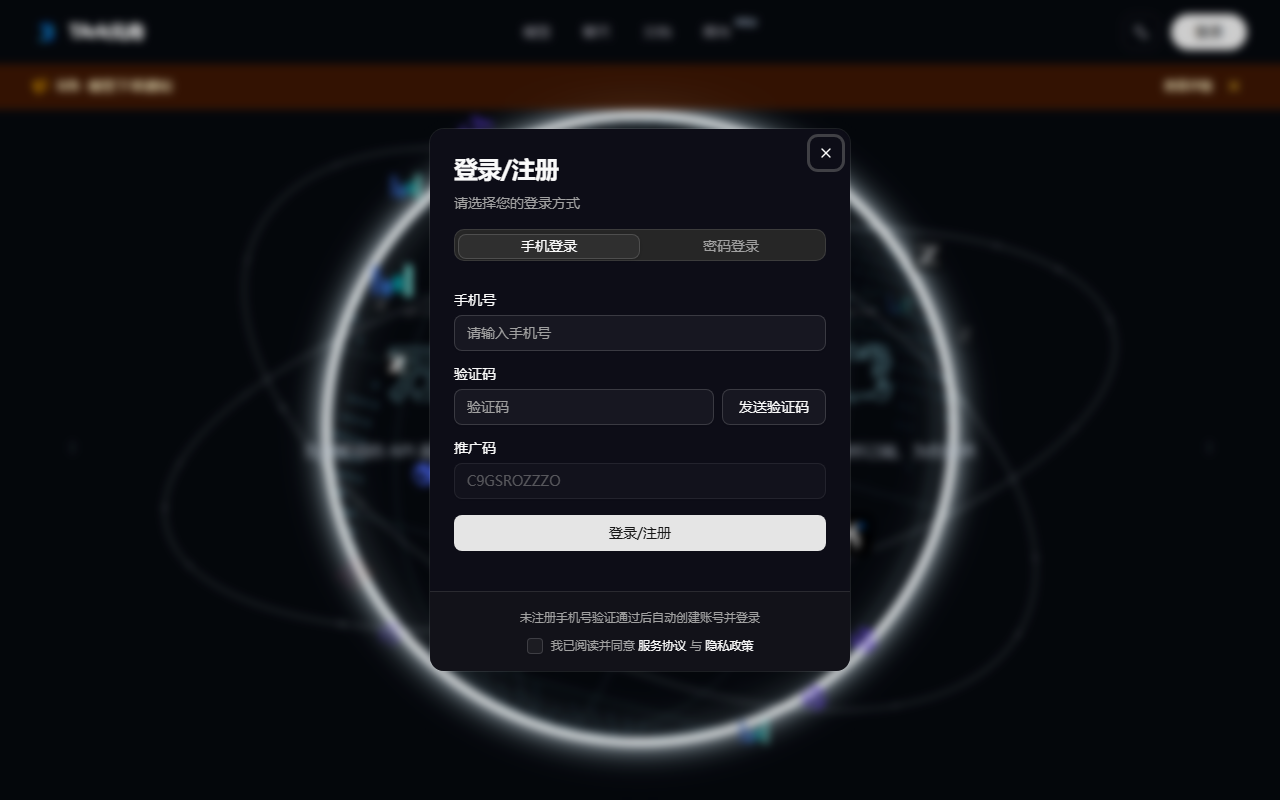
Sign up: visit https://www.tarkcloud.com/ and register with a phone number.
Verify identity: complete real-name verification in the account centre.
Add balance: top up the wallet; usage is deducted per token as you call.
Create a key: open the API keys page and create a key with a name, quota and expiry date.
Save the key: the key is shown only once at creation — copy and store it safely.
Configure calls: set the baseURL to
https://www.tarkcloud.com/v1, fill in the API Key, and call with the OpenAI SDK or cURL.Check models: call
GET /v1/modelsor use the console to list the models your key can reach.Manage daily: enable, disable, edit quotas or delete keys from the key list at any time.
Why teams pick it
One-stop aggregation: 100+ frontier models and 20+ providers behind a single integration.
Low migration cost: OpenAI-compatible, so two lines of configuration are usually enough.
High availability: the vendor states 99.9% availability with second-level failover.
Competitive pricing: the vendor states DeepSeek series models cost as low as 30% of official list price, with no peak or off-peak spread.
Enterprise-grade data control: route requests precisely to zero-retention providers.
Predictable budgets: per-key quotas and expiry dates, one balance, no subscription and no hidden fees.
Fast responses: the vendor cites around 68 ms average response time across 20+ active compute nodes.
Use cases
AI application development: connect GPT, Claude, DeepSeek and others through one API to build chatbots and assistants.
Model benchmarking: compare quality, latency and price across models on a single endpoint.
High-availability services: keep customer support and Q&A workloads running with automatic failover.
Data compliance: route sensitive requests to providers with zero data retention.
Limitations
A valid API Key and network access are required; the models you can actually call depend on key permissions and the
GET /v1/modelsresponse.Prices, quotas and promotions follow the official announcements and may change.
Restricting routing to specific providers narrows the list of usable models.
FAQ
Who is TArk for? Individual developers and small teams that need low-cost access to several models, especially projects already using the OpenAI SDK.
Do I need to rewrite my code? The API follows the OpenAI specification, so usually only the baseURL and API Key change while SDK calls stay the same.
How do I control costs? Give each key its own provider scope, spending cap and expiry date, and rely on per-token billing against a single balance.
How is data handled? Fine-grained routing review lets you restrict requests to trusted providers with zero data retention.
Frequently asked questions
Who is TArk for?
Individual developers and small teams that need low-cost access to several models, especially projects already using the OpenAI SDK.
Do I need to rewrite my code?
The API follows the OpenAI specification, so usually only the baseURL and API Key change while SDK calls stay the same.
How do I control costs?
Give each key its own provider scope, spending cap and expiry date, and rely on per-token billing against a single balance.
How is data handled?
Fine-grained routing review lets you restrict requests to trusted providers with zero data retention.