
AlphaEngine is an intelligent tool for investment research professionals. It parses meeting audio and full transcripts, extracts key viewpoints and generates summaries, and adds industry data tracking plus question-based retrieval so researchers can reach and understand sector information faster.
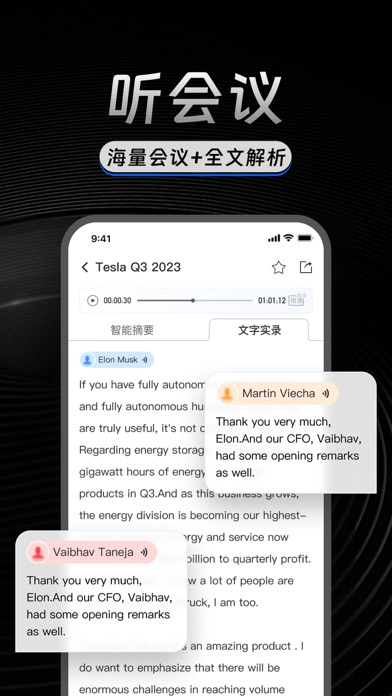
AlphaEngine is an information-processing tool built for people whose job is to turn raw material into an investment view. Its core capability is converting meeting audio and text transcripts into searchable, structured knowledge: the long earnings call, the expert interview, the sector note and the data table all get compressed into points you can read in a few minutes. It is deliberately not a general-purpose chat assistant. It is aimed at one link in the research workflow — acquiring information — so that analysts spend their attention on judgement instead of on replaying recordings and scrolling through documents.
What AlphaEngine is
AlphaEngine sits between two things that rarely match in speed: a large volume of meeting audio and written material on one side, and the need to form a sector view quickly on the other. The tool occupies the layer in between — parsing, summarising, extracting claims, consolidating data — and hands the result back through a question-and-answer interface. Three ideas describe it: meeting parsing, viewpoint extraction, and industry tracking.
Main capabilities
Meeting audio and full-text parsing. The tool works with meeting audio and supports full-text parsing, so you do not have to listen to an entire session start to finish before you know what was said. For researchers covering a heavy calendar of roadshows, results briefings and expert calls, this is where the most obvious time is recovered.
Smart summaries and viewpoint extraction. Algorithms pull the key claims out of a meeting or a document and produce a summary, turning long spoken passages into quotable points of judgement. The output is a first draft of the argument, not the argument itself.
Industry coverage and deep tracking. Multiple industries are covered, with tracking data and analysis attached, so that sector dynamics and shifts in trend can be followed over time. The value of tracking lies in continuity: the same metrics, observed under the same definition, across successive periods.
Question-based information retrieval. You can ask for information and get answers, which folds the usual three steps of search, read and condense into a single exchange. This is most useful when you need to check something quickly before writing or before committing to a view.
Data consolidation and analysis. Several professional data sources are combined into industry data and analysis reports. These are supporting material for a decision, not a substitute for making one.
How to use it
- Define the boundary of the question. Write down which kind of problem you are solving: reconstructing the argument of one specific meeting, or tracking how a set of industry indicators has moved. The more specific the question, the more usable the summary and the answers will be.
- Load the material. Bring in the meeting audio or the related text and wait for full-text parsing to finish. Material quality sets the ceiling on parsing quality; recordings with heavy background noise deserve extra time reserved for checking.
- Extract viewpoints, then verify them. Take the summary and the extracted claims as a draft, then go back to the source to check key figures, dates and the party each statement is attributed to. Spoken phrasing is not the same as a settled conclusion.
- Fill gaps through questions. Keep asking about the parts of the summary that remain unclear, confirming one item at a time until you have notes you can cite.
- Turn it into a research record. File the confirmed points by theme so that they become a reusable working paper for tracking that industry.
Where it fits
- Sell-side and buy-side analysts doing rapid post-mortems during a dense conference season, reading summaries first and then deciding which sessions deserve a full read.
- Private-market practitioners organising interview notes during due diligence, converting scattered verbal information into a structured list of points.
- Cross-industry comparison work, where a consistent question format quickly closes the knowledge gap between sectors.
- Self-checking before publishing research or content, using questions to test whether your own statements are actually supported by the material.
Limitations and things to watch
What the tool produces is a distillation of the material, not an independent verification of fact. Audio transcription and viewpoint extraction can both drift, so anything involving financial figures, timing or the party responsible must be checked against the original recording or the primary data source. A summary inevitably loses context; where a judgement is contested, keep the original passage alongside it. The quality of answers also depends on the coverage of the material supplied — industry information that was never in the input should not be assumed to have been filled in. Pricing, account permissions and the exact set of available features are governed by the product's official pages; nothing in this article is a commitment on those points.
FAQ
Who is AlphaEngine for? Primarily the research and investment roles described above: people who handle meeting material at high frequency, track several industries, and have to convert information into a view. For occasional text summarisation, a general-purpose tool is probably lighter.
Can it replace listening to a meeting yourself? Not entirely. It can compress a long session into points and help you decide within minutes whether the session is worth a close read, but the critical judgements, the tone, and what was implied rather than said still need a return to the source material.
Can the summaries be published as they are? It is not advisable. A summary works as a working draft; before anything goes out it needs fact-checking, context restored, and a compliance review.
Frequently asked questions
Who is AlphaEngine for?
Primarily research and investment professionals who handle meeting material at high frequency, track several industries and have to convert information into a view. For occasional text summarisation, a general-purpose tool is probably lighter.
Can it replace listening to a meeting yourself?
Not entirely. It compresses a long session into points and helps you judge whether it is worth a close read, but critical judgements, tone and what was implied still need to be confirmed against the source material.
Can the summaries be published as they are?
It is not advisable. A summary works as a working draft; before publication it needs fact-checking, restored context and a compliance review.